



The “Quiet Revolution”: What First-Time Skippers Notice About Modern Intercoms
Marine May 14, 2026
Step onto a modern vessel today, and the atmosphere feels fundamentally different. For a first-time skipper, the transition isn’t marked by high-tech displays or sleek hulls, but by a surprising absence of noise. The shouting of traditional boating is gone, and in its place is a streamlined, professional silence.

For these newcomers, modern intercom systems aren’t an “upgrade” but the logical baseline for onboard safety.
1. “Why isn’t everyone using this?”
Without the baggage of “that’s how we’ve always done it,” first-time skippers using an intercom find the concept of shouting over an engine or using frantic hand signals completely alien. To them, speaking naturally into a headset is as intuitive as using a smartphone.
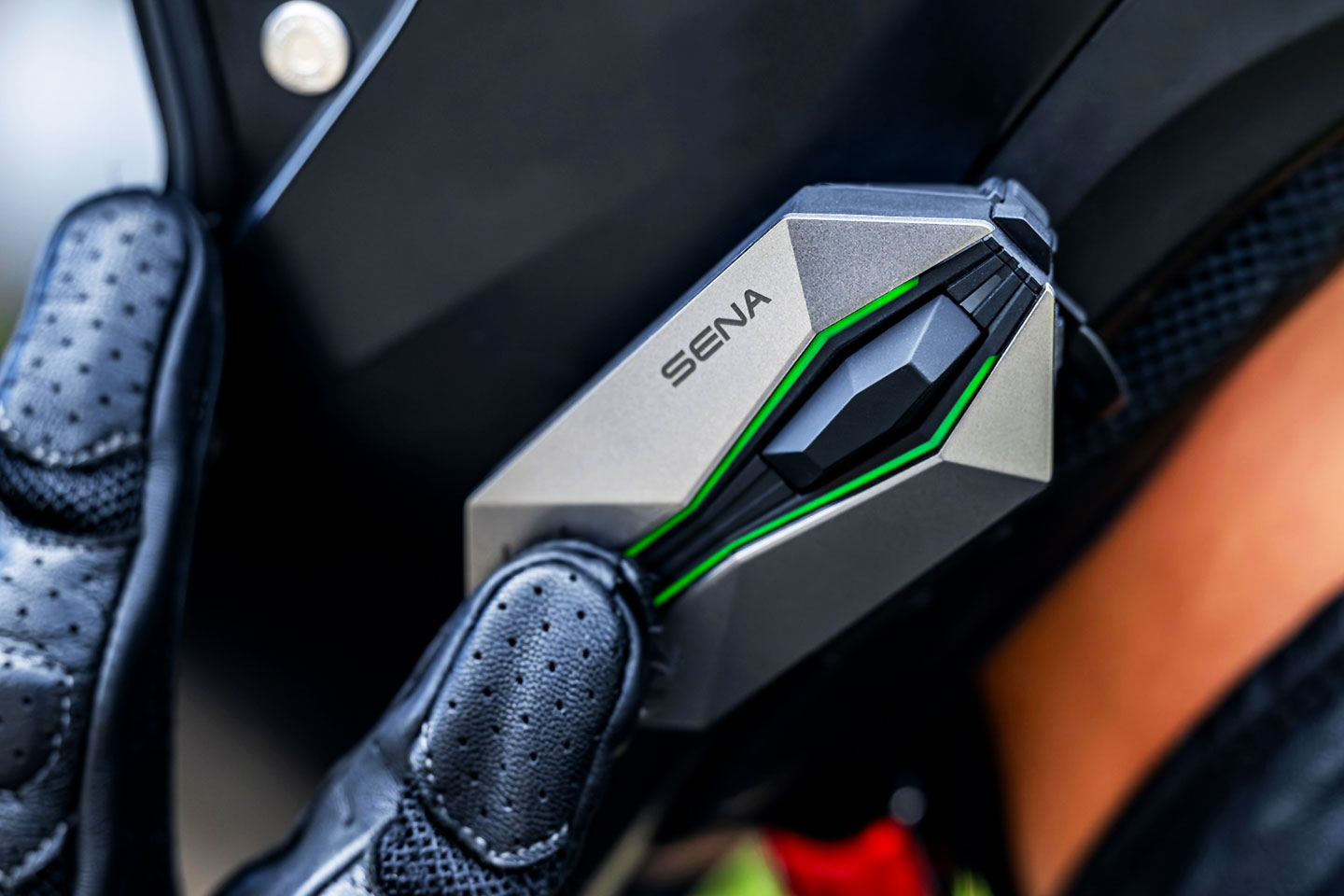
- Minimalist learning: there is no learning curve for clear communication. Mesh intercom devices are built with control buttons so easy to use that it takes only one button to connect with the rest of the group.
- Controlled environment: it’s not about the power of the tech but about the ease it provides. In fact, by removing the “yell-and-repeat” cycle, stressful maneuvers like docking or tight-quarter navigation become calmer and safer than expected.

2. Immediate trust in clarity
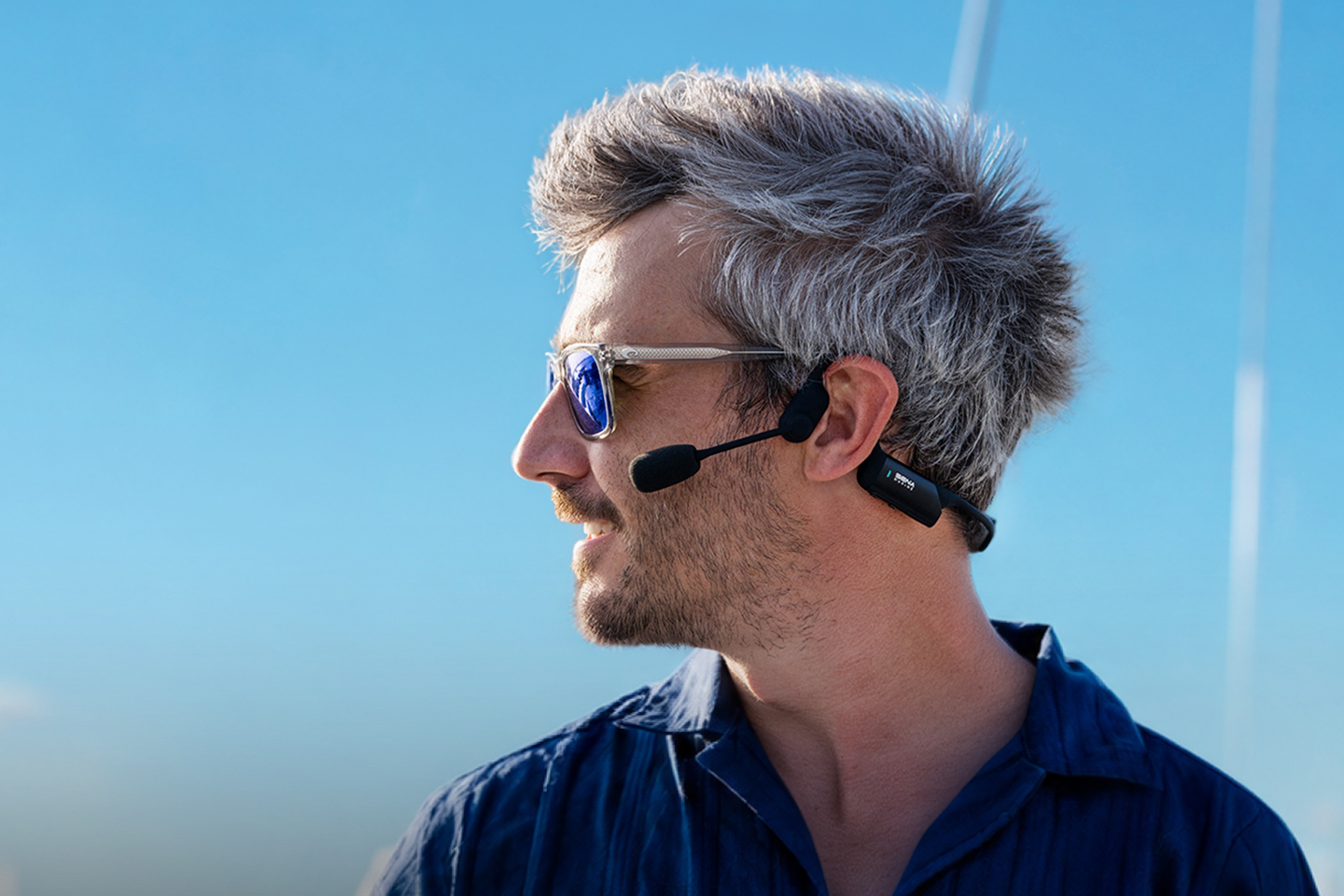
What new skippers notice immediately is the rapid build-up of crew confidence. When a command is delivered at a conversational volume, it carries more authority and less anxiety.
Clear audio eliminates the “second-guessing” phase. Because the skipper knows they were heard, and the crew knows exactly what was said, decisions are executed faster and with fewer defensive habits.

This creates a sense of spatial freedom because crew members can be tucked away in the engine room or perched on the bow, yet remain as connected as if they were standing shoulder-to-shoulder.
3. Sensory expansion: hearing the boat
Paradoxically, by putting on a headset, a skipper actually hears more of the environment. Instead of being “locked in” to the person they are trying to shout at, the skipper remains “eyes-up” and connected to the sea for full situational awareness. So, by filtering out the human “noise floor,” the brain is free to process more critical data, such as:
- Acoustic signatures: the subtle change in an engine’s hum or the specific splash of water against the hull.
- Environmental cues: distant sirens, wind shifts, or the movement of nearby vessels that would otherwise be drowned out by a yelling crew.

A new baseline for design
First-time skippers don’t view modern intercoms as a luxury; they see them as essential infrastructure for safety, no different from the throttle or the navigation system. They recognize that many “innovations” in maritime tech are actually just corrections of old, inefficient habits.
When a newcomer steps on board and instinctively trusts a system that reduces chaos, they aren’t just adapting to technology; they are experiencing good design.
It begs the question for the rest of us: why settle for the noise of the past when you can lead with the clarity of the future?
#SailConnected