



4 Clever Ways to Use Handsfree Intercoms on Your Boat (Besides Docking)
Marine 11 June 2026
Ask any cruising couple or charter crew about wireless marine intercoms, and they’ll likely give you the same answer: “They saved our marriage during docking.”
It’s true. Swapping out frantic hand signals and high-decibel yelling for a calm and conversational headset during a tight slip maneuver is a total game-changer. But if you’re only powering up your headsets when you approach the marina, you are leaving a massive amount of your gear’s utility on the battery charger.

Here are four clever, practical ways to use wireless intercoms to make life on board safer, smoother, and completely stress-free.
1. The mast ascent
Going up the mast is inherently high-stakes. Traditionally, communication between the person in the bosun’s chair and the winch grinder on deck relies on a series of pre-arranged whistle blows, wild hand waving, or a handheld VHF radio shoved precariously into a pocket.

By equipping both crew members with a hands-free headset, the process transforms:
- Real-time feedback: the person aloft can give exact instructions without taking their hands off the mast or the rigging tools.
- Safety first: if a tool slips or a knot looks questionable, instant audio ensures the deck crew can react without a three-second communication lag.
- Zero dropouts: unlike handheld VHFs that require pushing a button, a full-duplex intercom leaves your hands free to hold on for dear life.
2. Engine room diagnostics
Trying to diagnose a mechanical issue while the engine is running is a masterclass in frustration. The mechanic is jammed into a hot, acoustic place next to a roaring diesel engine, while the skipper is up at the helm trying to rev the engine or monitor the digital gauges.

Shouting is utterly useless here. Instead, pop on your headsets before opening the engine hatch.
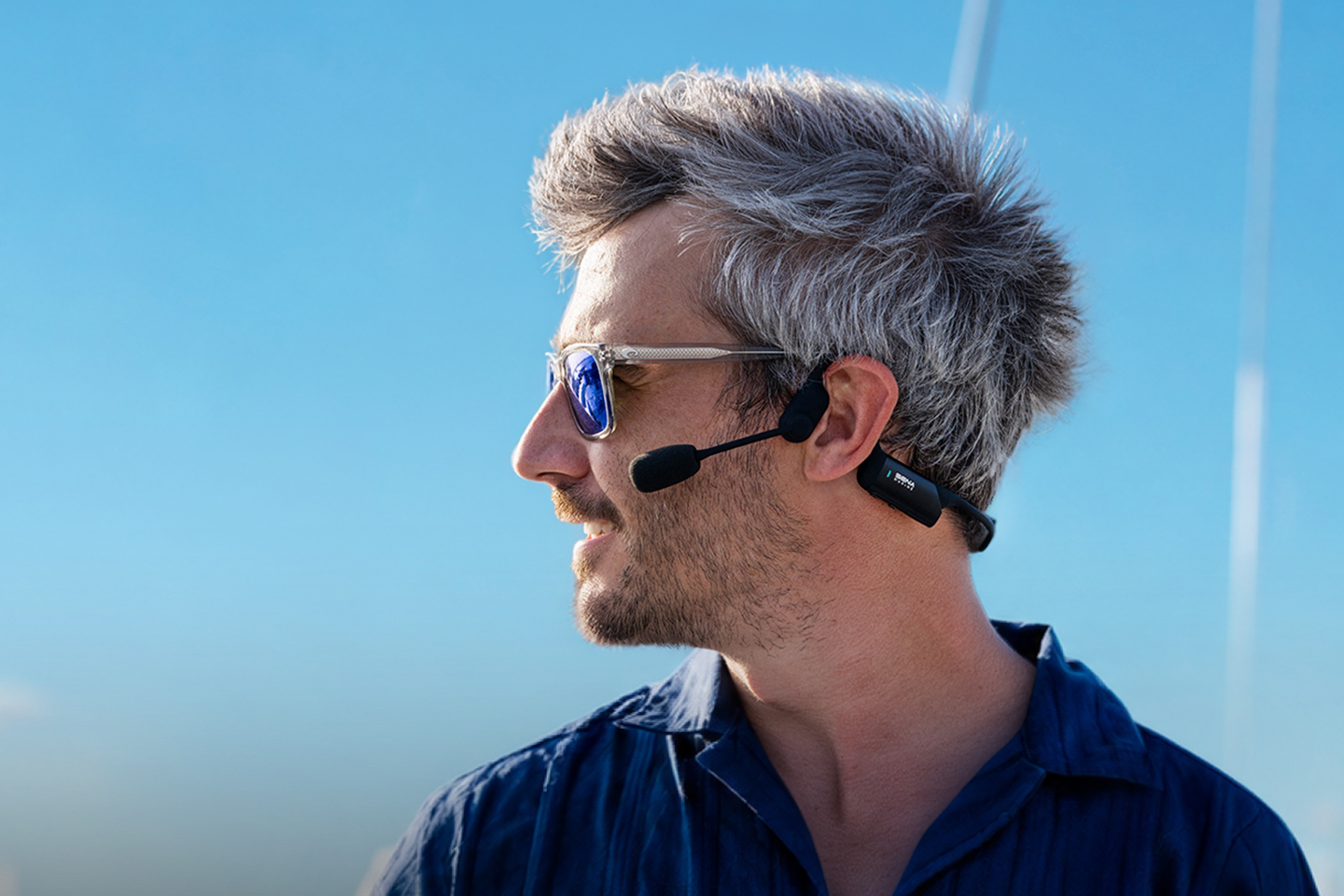
- The setup: the mechanic wears a noise-canceling headset that actively filters out low-frequency engine noise while isolating the human voice.
- The result: the mechanic can say something and hear the exact moment the skipper complies, while reporting back on fluid leaks, belt slippage, or strange vibrations in real time. It turns a stressful guessing game into a precise diagnostic session.
3. Night watches
Good night-watch etiquette revolves around one golden rule: protect the helmsman’s night vision. Loud talking can wake the off-watch crew sleeping below, and bright flashlights can instantly destroy your night acuity (which takes up to 30 minutes to recover).

This is where integrating wireless audio with low-profile light communicators shines.
- Stealth communications: watch-standers can whisper into their headsets to signal watch changes or point out an approaching, unlit fishing buoy.
- Visual triggers: utilizing small light communicators allows the bow watch to signal a directional hazard directly to the helm’s peripheral vision without flooding the cockpit with blinding white light.
4. Blind-spot foreign marinas
From the wheel, the skipper often cannot see the stern corners or how close the bow is to the boat next door. So instead of playing a guessing game, send your bowman to the deck with a headset. They effectively become your remote eyes.

- Extra safety measure: they can calmly call out distances: “You have four feet to the starboard fender… watch the overhang on that catamaran… drop the anchor now.”
- Higher focus: because the communication is continuous and conversational, the skipper can focus entirely on throttle and rudder control without the anxiety of the unknown.
Make sure you use your headset to its full potential
Modern marine communication tools, specifically rugged, waterproof headsets utilizing full-duplex Mesh networks, are Swiss Army knives for boat life. Wireless marine communication gear isn’t a luxury item reserved just for the final 10 minutes of a cruise. By keeping your headsets accessible throughout the day, you elevate your boat’s safety margins, protect your expensive mechanical assets, and make everyday deck chores feel like a coordinated team effort.
#SailConnected