



Mesh vs. Bluetooth: Decoding Cycling Intercom Tech
Bike & Outdoors 11 June 2026
The ability to talk effortlessly on a bike has transformed how we ride, boosting safety, streamlining group logistics, and keeping the conversations alive on climbs.
But if you’ve started shopping for a connected setup, you’ve likely stumbled into a swamp of tech jargon. The biggest point of confusion? Bluetooth vs. Mesh Intercom.
Let’s break down exactly how these two technologies work, how they handle real-world riding scenarios, and what gear setup makes the most sense for you.

The tech breakdown: how they actually work
To understand the difference, imagine the contrast between a physical chain and a spiderweb. Let’s get into the details of each.
Standard Bluetooth: the daisy-chain
Bluetooth is the foundational tech we use to connect our phones to wireless earbuds. In a cycling intercom setup, Bluetooth works like a daisy chain. Rider A connects to Rider B, who connects to Rider C, who connects to Rider D.

- Key point: Because it’s a linear chain, the connection is fragile. If Rider B drops too far behind to take a photo or gets caught at a red light, the chain breaks. Suddenly, Rider A can’t talk to Riders C or D until Rider B catches up and manually pairs back into the group.
Mesh Intercom: the self-healing web
Mesh networking flips the script. Instead of a rigid chain, Mesh creates a dynamic, fluid web of connections. Every rider’s device acts as an independent router, talking to every other device simultaneously.

- Key point: If a rider drops out of a Mesh network, the system instantly route-corrects around them. The remaining riders experience zero interruption. In addition, when that dropped rider catches up, the network “self-heals” meaning that it automatically puts them back into the conversation without anyone having to press a single button.
Real-world performance comparison
But how to choose the best solution for your rides? What are the key aspects of these two technologies? Let’s look at how they compare.
| Feature | Bluetooth Intercom | Mesh Intercom |
| Best Suited For | Couples / small groups (max 4 riders) | Medium to large groups (virtually unlimited) |
| Connection Stability | Fragile (manual reconnect often required) | Self-healing (automatic reconnect) |
| Range (Open Terrain) | Max 900 meters | Can extend further with more riders |
| Ease of Pairing | Manual pairing (requires linking order) | One-button click to join |
Hardware: integrated smart helmets vs. clip-on communicators
Once you choose your tech, you have to choose your form factor. Sena, the heavy hitter in this space, offers brilliant options for both approaches.
Option 1: built-in smart helmets
These are all-in-one solutions where the speakers, microphone, battery, and control buttons are completely integrated into the architecture of the helmet. Sena has a wide range of road helmets, such as the Sena S1, as well as MTB helmets and e-bike helmets, that come armed with Mesh Intercom capabilities right out of the box.

Key points to consider are:
- Sleek aesthetics: No wires, no bulky plastic blocks clipped to the side, and optimized aerodynamics.
- Safety and convenience: Features open-ear speakers positioned right above your ears so you can still hear ambient traffic, alongside integrated LED taillights for visibility.
Option 2: clip-on communicators
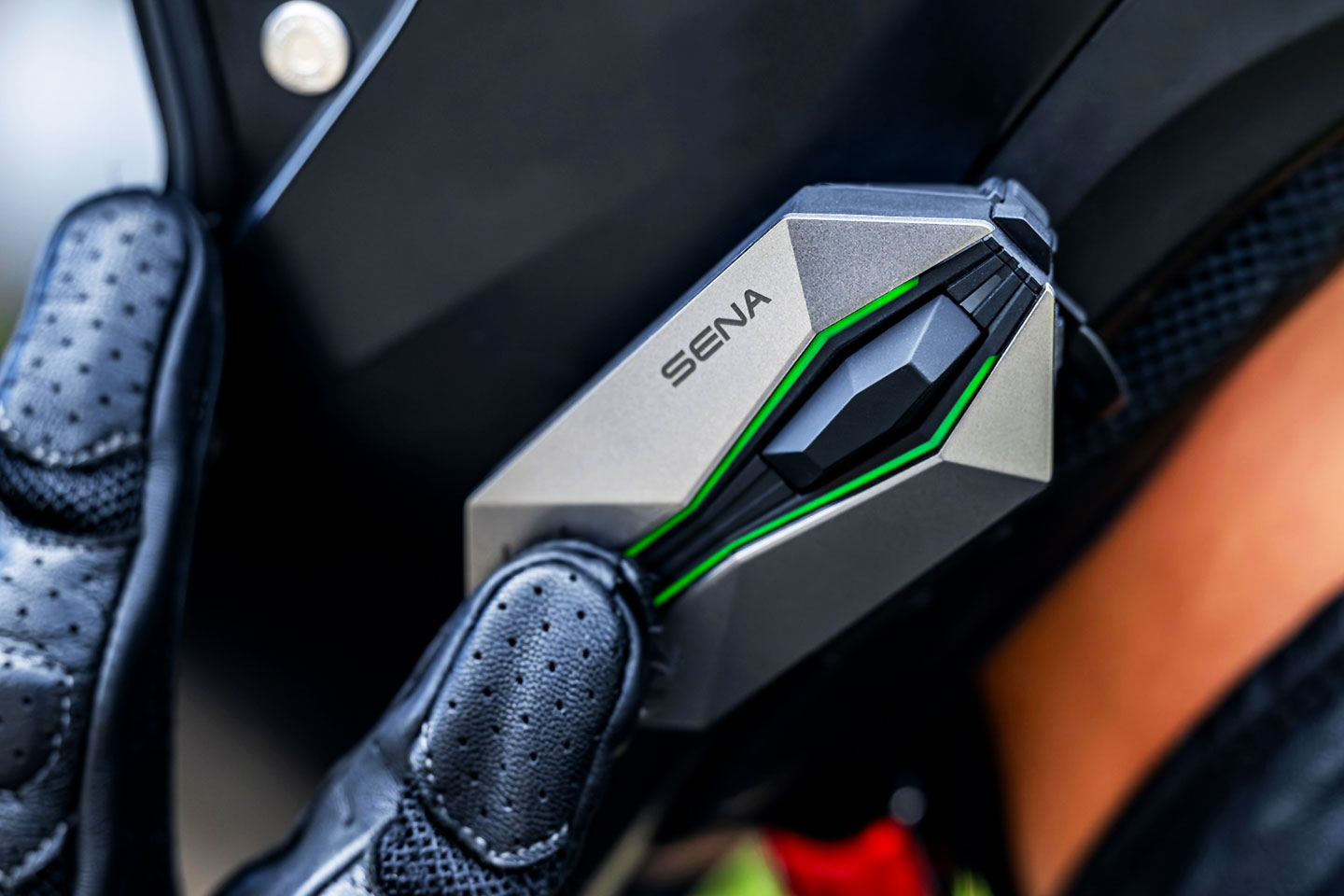
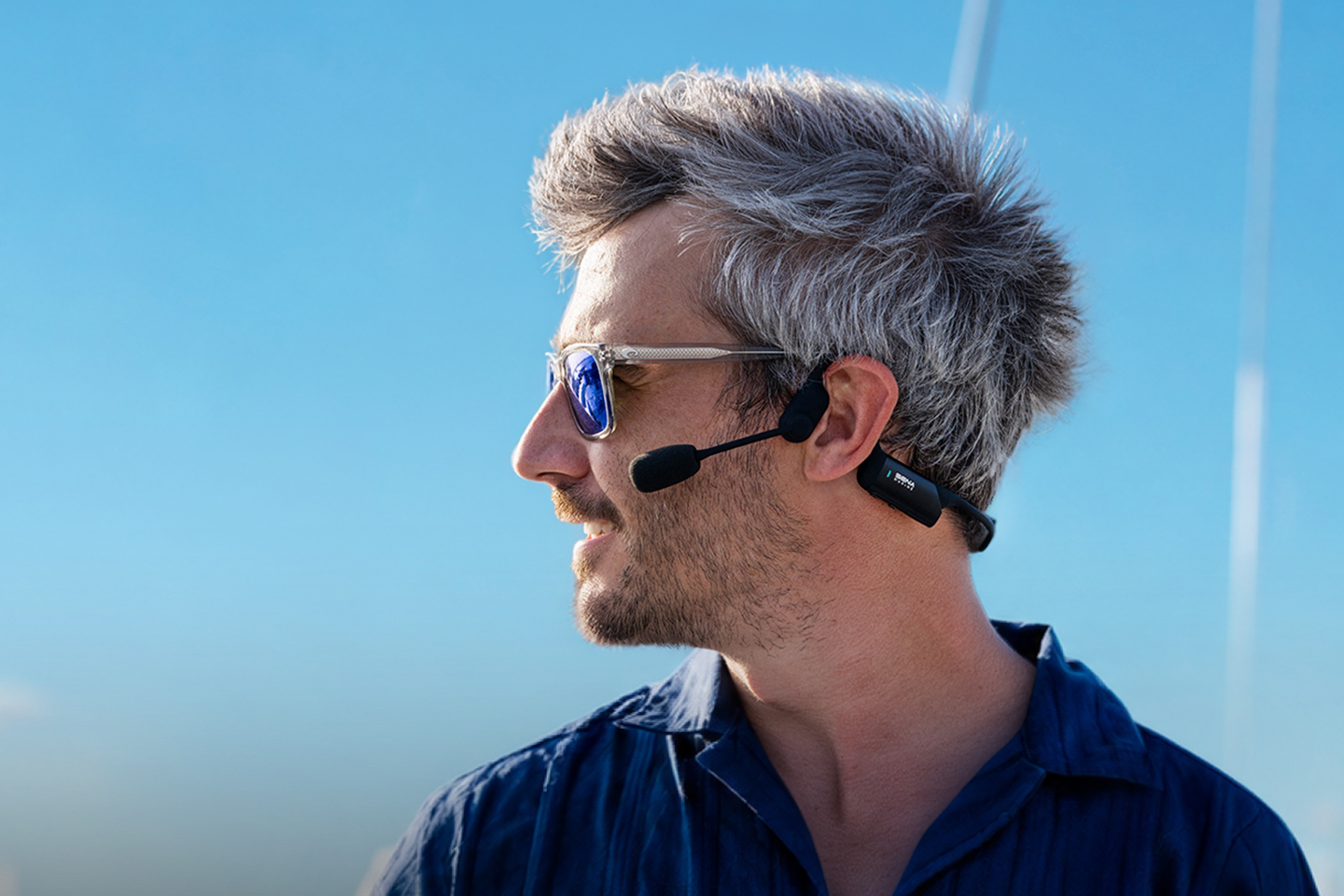
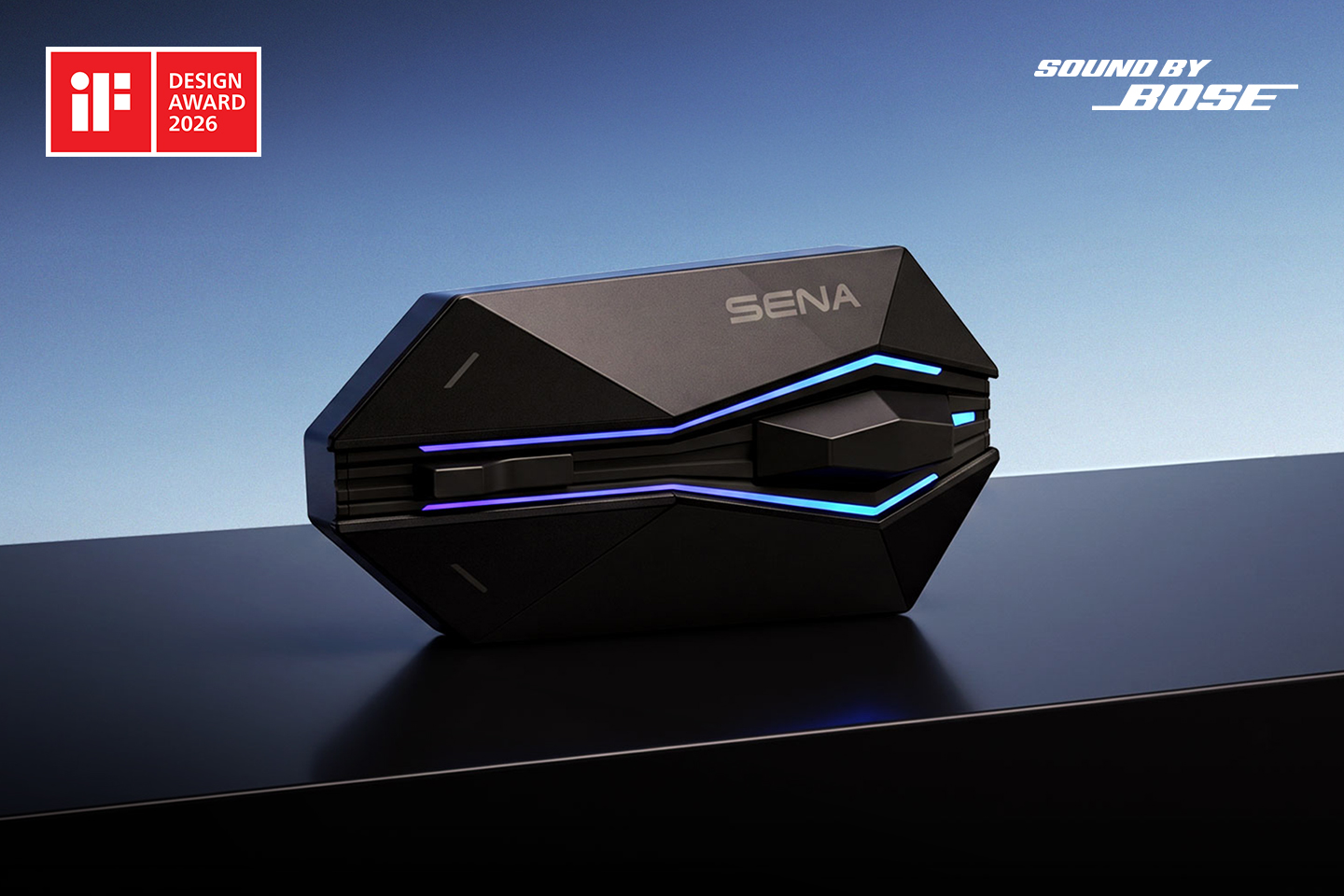
If you already spent a fortune on a high-end helmet that fits your head perfectly, a clip-on unit is the way to go. For example, the Sena BiKom 20 is a game-changer here, as it is an ultra-lightweight (just 20 grams) Mesh 3.0 communicator that clips directly onto your existing helmet straps or cycling cap.

Key points to consider are:
- Versatility: You can swap the device between your commuter helmet, your road lid, and your mountain bike gear in less than a minute.
- Longevity: If you crash and ruin your helmet, your communicator lives to ride another day.
The verdict: which one should you get?
- Go for a Bluetooth system if you almost exclusively ride with just one other person (like your partner or a best friend), you always stay close together, and you want to maximize budget.
- Go for a Mesh system if you organize group rides, love to ride gravel or mountain bike trails where riders naturally spread out, or simply want a user experience where you never have to mess with pairing screens mid-ride.

Bringing communication onto the bike completely changes the psychology of a ride. It turns draining training outings into social hours and makes split-second safety calls effortless. Choose the tech that fits you best and #RideConnected #RideProtected!